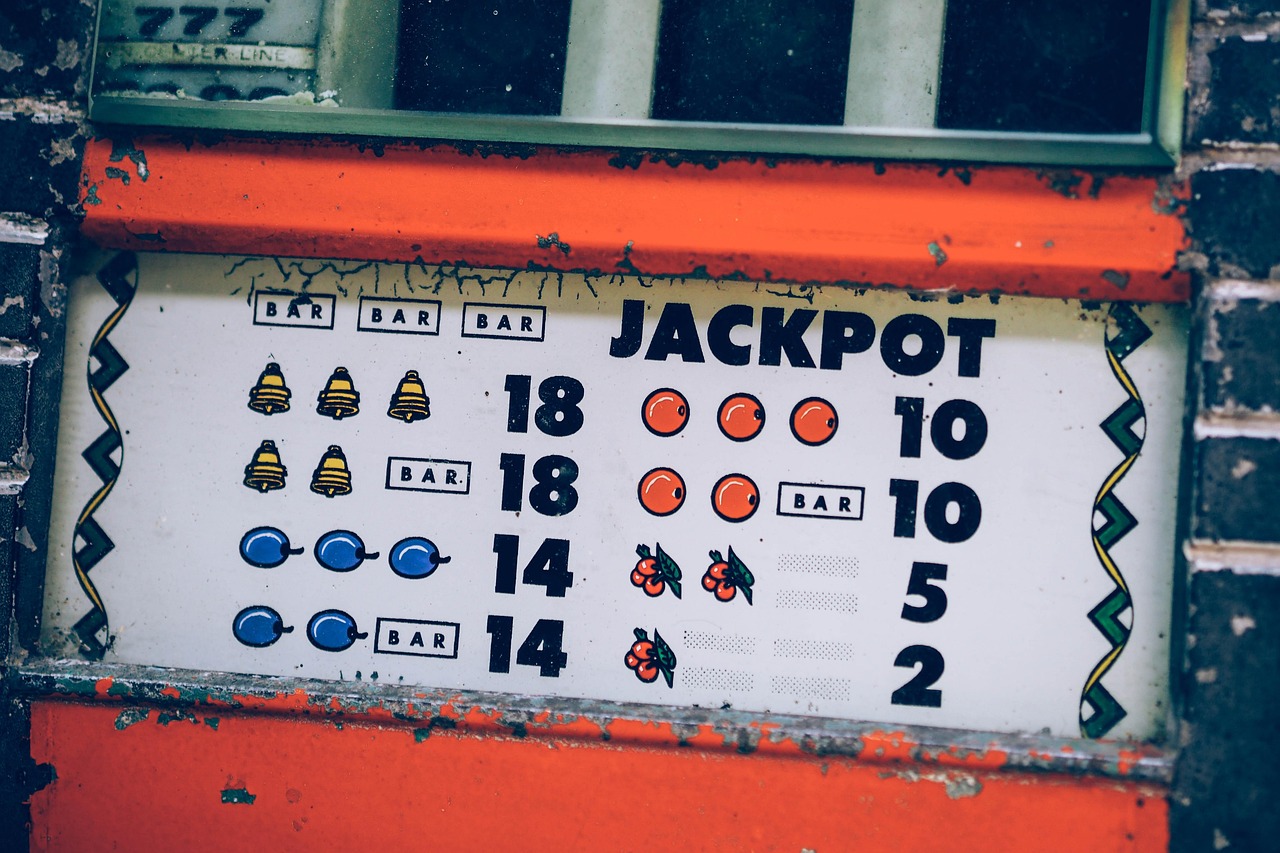


Ask ten casual players why they keep feeding a specific slot machine and you'll get ten different answers. "It's due for a jackpot." "It paid big last Tuesday at 8pm." "My cousin's roommate won on it in Vegas." Meanwhile, the actual deciding factor in whether a player walks away ahead over thousands of spins is sitting quietly in the game's paytable, printed as a small percentage that almost nobody reads. That number is RTP, and understanding it is the difference between gambling with hope and gambling with a plan.
Return to Player (RTP) is the theoretical percentage of all money wagered on a game that gets paid back to players over an infinite number of spins. A 96% RTP slot means that, over millions of plays, roughly 96 euros flow back out for every 100 that go in. The other 4% is the house edge — the casino's long-term gross margin.
Here's where new players get tripped up: RTP says nothing about any single session. You can hit a 5,000x multiplier on spin eleven and sit at 480% personal RTP, or burn through 200 EUR with zero bonus triggers and collect nothing. The percentage only asserts itself statistically over enormous sample sizes. Treat it like a coin biased slightly against you — after six flips, anything can happen. After six million, you'll see the bias.
Volatility is the second number people confuse with RTP, and it's arguably more important for bankroll management. Two slots can both advertise 96% RTP and behave completely differently. High-volatility titles like Money Train 3 or San Quentin pay rarely but can explode for 50,000x. Low-volatility games like Starburst deliver frequent, small hits. For an identical RTP, high volatility means you need far more spins (and thus a bigger bankroll) to feel its expected outcome.
The house edge sounds like a rip-off until you realize it's what funds the environment. Consider it from the operator's side over one million simulated 1 EUR spins on a 4% edge slot:
Ratings markets and physical table games live in the same economy. A classic roulette wheel with a single zero has a 2.70% house edge, which becomes 5.26% on the American double-zero layout. Baccarat is famously near 1.06% on banker and 1.24% on player when betting without commission game flow, and blackjack can dip below 0.5% with perfect basic strategy. Slot machines often swing between 92% and 97% depending on the operator and jurisdiction — the difference between a 92% and a 95% RTP slot on a 500 EUR bankroll is 15 EUR of expected bleed per 100 spins. Over a weekend grind, that's a real number. keonhacaii5.com.co goes into the finer points.
RTP framing doesn't apply to poker because you're not playing against the house. In cash games and tournaments the site takes a rake — usually 2.5% to 5% on cash pots capped around 3 EUR at mid-stakes, and roughly 5% to 10% of the buy-in in tournaments. Rake is the only guaranteed drain; everything else is a transfer between players.
That single structural difference is why the same player base that grinds slots at a loss can post months of rising profit at poker tables. The edge is winnable if you're substantially better than the room. On slots, the terminal strategy is losing slowly. On poker, "beating the game" is a legitimate, well-documented option for the top few percent of the field.
The gambler's fallacy is the most expensive cognitive bug in the building. A machine that hasn't hit a bonus in 4,000 spins is no closer to hitting one than a machine that just paid two minutes ago. Modern slot outcomes are (in regulated markets) determined by a cryptographic random number generator the industry calls RNG-driven outcomes generated in a certified lab. Every spin is independent. "Hot" and "cold" machines are a story players tell to make randomness tolerable.
What does matter is the paper trail. Reputable licensed operators publish RTP in the game's info panel, and regulators in Malta, the UK, Sweden and most of Europe require minimums — often 90% or higher on slots. So-called "RTP options" are another thing to know: software vendors ship several math versions of the same game, and some operators quietly choose the lower one. A 94% version on the same title is a 200-basis-point tax on every wager compared with a 96% variant. If a platform hides its paytables, that tells you what you need to know.
Stop gambling in the dark. Here's a quick reference hook to keep in your head:
Most gambling conversations are about luck. The people who survive long in this hobby are the ones talking about rate: house edge, volatility, rake, and bonus wagering requirements. Every one of those is knowable before a single bet is staked. You won't change the math that works against you on a slot — no strategy, no pattern, no ritual does. What you absolutely can do is pick the game whose math slices least deeply, size your stakes to the volatility you chose, stay away from hidden-RTP domains, and stop believing random outcomes owe you a rebound. That, honestly, is the whole game.

The Dandy Cove shares practical, down-to-earth guidance on british coastal style, grooming and seaside living for readers across the UK.


Leave A Comment